CHINT is a prominent name in the field of electrical solutions, offering a wide range of innovative products designed to enhance safety and efficiency in various industries. Among these offerings, CHINT‘s protective relays stand out for their critical role in monitoring and safeguarding electrical systems. A solid understanding of the relay working principle is essential for businesses aiming to protect their equipment from voltage-related issues.
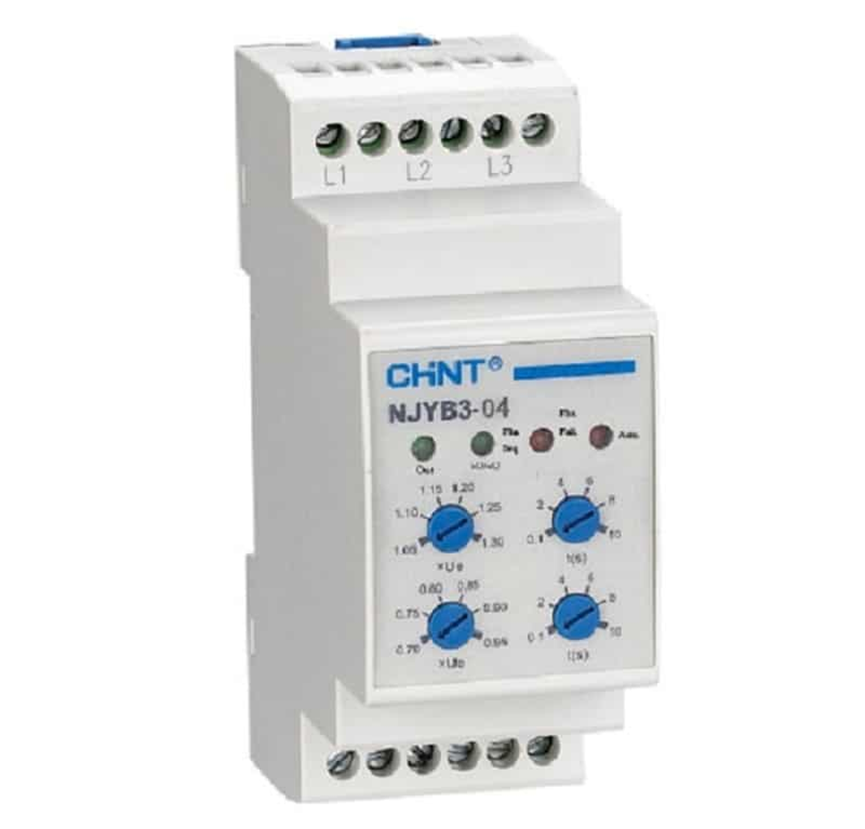
Types of Voltage Protective Relays
Various types of voltage protective relays are integral to the relay working principle. Under voltage relays monitor the electrical current to detect when it falls below a preset threshold. In scenarios where voltage dips too quickly, machinery may not receive sufficient power to operate correctly. The under voltage relay acts swiftly; when it detects a drop below the minimum set value, it trips the breaker, opening the circuit and ensuring that connected equipment is safely shut down. This prevents potential damage to machinery and maintains operational integrity.
On the other hand, over voltage relays serve an equally important function within the relay working principle. These relays are designed to detect when voltage levels exceed a predetermined limit. If the voltage becomes excessively high, the over voltage relay triggers the breaker, shutting down the entire system. This safeguard is particularly crucial for systems involved in electricity transfer, as it protects valuable equipment from the risk of overload or potential electrical fires.
Conclusion
Companies must have a solid grasp of the relay’s operation, particularly how undervoltage and overvoltage relays work, in order to secure their electrical systems. CHINT’s proficiency in supplying dependable protective relays enables businesses to avert expensive damage and preserve operational effectiveness.